
For local businesses, especially those with a physical storefront or region-specific services, leveraging Google Maps and a well-managed Google Business Profile (GBP) can be a powerful marketing channel. Without spending on ads, you can reach high-intent users — those who are actively searching nearby for what you offer — and guide them from search to real-world foot traffic or inquiries.
However, simply creating a GBP is not enough. To truly turn it into a marketing asset, you need strategic design, continuous maintenance, and a clear system for converting visibility into action. This article lays out a 2025-ready blueprint for using GBP + local SEO with marketing principles to attract and retain customers.
Why GBP / Google Maps Should Be Treated as a Marketing Asset
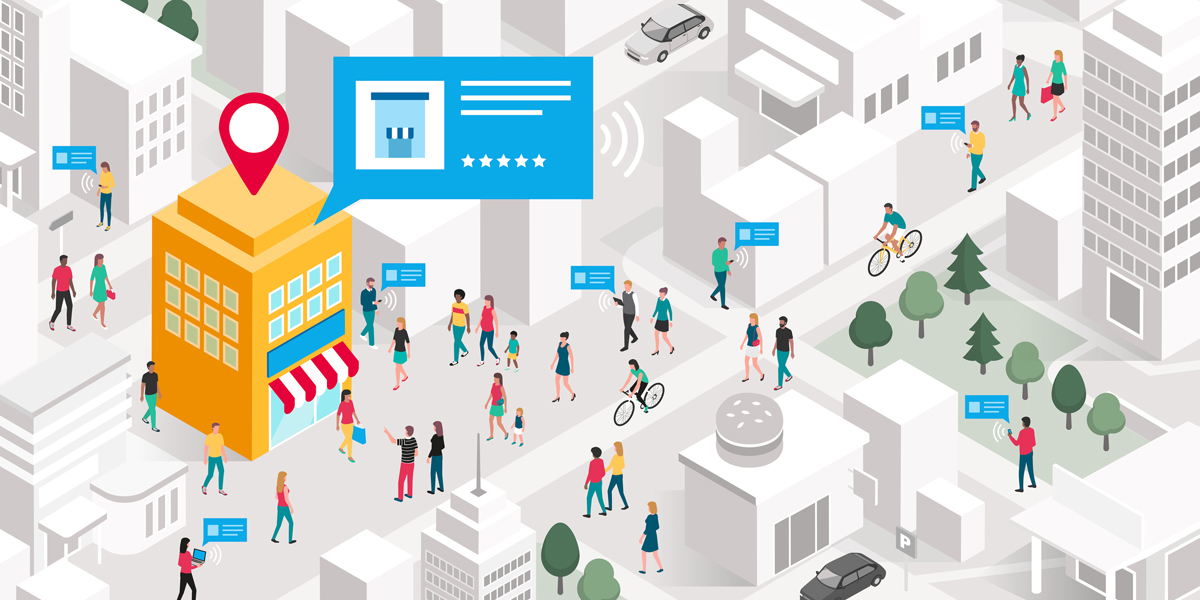
Using GBP properly allows you to build a seamless “search → discovery → action (call/visit/website)” funnel. As Google recommends, a complete and accurate profile — including address, phone number, business type, and other relevant attributes — increases the chance your business appears in local results.
Because GBP is free to use, it offers a cost-effective base: you get an always-on “digital storefront” that works even while you sleep. By combining GBP with your own website, local directories, and consistent branding, you transform a simple business listing into a long-term digital marketing asset.
The moment someone searches “best coffee near me” or “dentist [city]”, a strong GBP can deliver visibility, trust, and action buttons (call, directions, website), capturing the user’s intent and guiding them toward conversion.
In short: GBP is not just a listing — it’s a core part of a local marketing strategy, capable of delivering high-quality leads and foot traffic.
What Works in 2025: GBP Optimization + Marketing-Oriented Elements
Business Info Must Be Complete and Accurate
Google values completeness. A GBP with full and correct information — business name, address, phone number (NAP), opening hours, services, correct business categories — is more likely to surface in relevant local searches.
Selecting precise primary and secondary categories helps Google understand exactly what you offer, improving relevance for specific user queries. Choosing a vague category reduces the match quality and can result in missed opportunities.
Use Visuals and Content to Build First-Impression & Trust
Adding high-quality photos (exterior, interior, service in action), service descriptions, menus or product listings (if applicable), and other relevant details helps your profile look engaging and professional. These elements act as a first impression for users who haven’t visited yet, building trust and encouraging interaction.
Regularly updating photos, posting updates (new services, promotions, events) reinforces that your business is active and current — a signal both to Google and to potential customers that you are operational and attentive
Reviews & Reputation: Not Just Quantity, but Freshness and Engagement
Customer reviews remain one of the most influential signals for local ranking and trust. The number of reviews, average rating, and recent reviews all contribute to how “prominent” Google perceives your business.
Even more, responding to reviews — positive or negative — demonstrates that you value feedback and you’re active. That responsiveness itself can strengthen trust with prospective customers.
Track Performance & Use Data to Inform Decisions
GBP offers built-in analytics (views, website clicks, direction requests, calls, etc.). Reviewing these metrics regularly helps you understand which parts of your profile draw attention and which actions lead to real engagement.
When you track performance and align your updates with data (e.g. more photos improve clicks, or updated hours increase calls), you can systematically refine your strategy rather than rely on guesswork.
Integrate with Website & External Online Presence for Credibility
GBP works best when it is part of an omnichannel presence. Linking to a well-optimized, mobile-friendly website that reflects identical business details (NAP, services, location) reinforces consistency. External references like local directories or community sites (citations) and quality backlinks/mentions enhance trust and help Google interpret you as a genuine local business.
Using GBP as a Strategic Marketing Channel: Building the Customer Journey
Rather than treating GBP as a static listing, treat it as the front door to your business ecosystem. Design a customer journey that flows smoothly from search to action.
When a user searches and lands on your profile, they should immediately see visually appealing photos and a clear description of what you offer. Reviews and ratings give them confidence. Call, directions, or website buttons provide instant next steps. If everything is aligned — accurate info, good visuals, fresh reviews — many searchers will convert in that moment.
Behind the scenes, you maintain your own website, supplementary content (blogs, service details), and external citations. You also actively encourage reviews after service, respond to feedback, update photos or offerings, and monitor analytics to refine your approach. Over time, this continuous loop builds brand equity, local visibility, and steady traffic — all without ongoing ad spend.
Moreover, by emphasizing unique value propositions (e.g. 24/7 support, multilingual staff, special services, community involvement), you can use GBP not just to appear in search results — but to position your business as the preferred option for specific customer segments.
Recommended Action Flow for Implementation
The approximate workflow for transforming GBP into a marketing-driven channel looks like this:
- Claim and verify your Google Business Profile to ensure full control and visibility.
- Fill out all business info thoroughly and accurately — NAP, hours, services, categories.
- Add high-quality photos and detailed service descriptions (or product listings if relevant).
- Encourage customers to leave reviews and make it standard to respond to each review promptly.
- Link GBP to your website, and ensure your website is optimized with matching business info and (if applicable) structured data for local SEO.
- Regularly post updates or promotions on GBP to show activity and keep content fresh.
- Monitor GBP’s Insights (views, calls, direction requests), analyze which elements drive engagement, and iteratively improve.
- Build external citations — local directories, community sites, industry-specific portals — to support credibility.
- If relevant, produce supplementary content (blog posts, service pages) on your site to capture users searching for related topics and funnel them to GBP or your site.
- Maintain consistent branding and messaging across all touchpoints (GBP, website, social media) for trust and clarity.
Conclusion
In 2025, Google Business Profile and Google Maps remain among the most efficient, cost-effective channels for local businesses to attract customers. But to fully harness their power, you must approach GBP not as a passive listing, but as an active marketing asset — a live storefront where first impressions, credibility, user experience, and operational transparency matter.
By combining accurate information, rich visuals, active reputation management, performance tracking, and integration with your broader online presence, you can build a self-sustaining local lead generation engine. Especially for small businesses or local services with limited marketing budgets, this model can unlock significant value and stable customer inflow.
If you treat GBP as a long-term marketing channel, continuously refine based on data, and align it with your brand strategy, you will likely see real benefits: more visibility, more calls/visits, and more loyal customers.